Energy Extraction and Resistance
Energy features as a concept underlying many current struggles for power and influence. New technologies are launched and claims for these requiring more energy are articulate. And the increase in energy usage is rarely questioned. In asking what kinds of energy lie at the basis of communities and societies, we also touch on the question of concepts of sacred power or ideas of the divine.
There are many books on energy history that focus on energy 'transitions' that I have looked through in search of what might help me write a theology of energy. In the hope that a more expansive theological and spiritual sense of energy might help dislodge the neoliberal capitalist capture of narratives of energy. As a theologian, I have limited use for the bare history of sequences of energy uses and how they interact with societal structures. I have been reading to understand some humans' desire for more energy, for seemingly endless energy, and how we might avoid the complete collapse of the energy systems humans have known on this planet. How might we reduce our energy usage rather than believe the myth of the human need of ever expanding resource and energy usage?
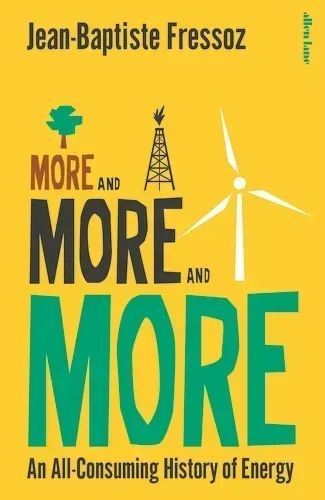
I read Jean-Baptiste Fressoz' book More and More and Moore: An All-Consuming History of Energy after hearing an interview with him on Planet Critical. He begins his book by noting that he has read many accounts of energy history with unease. As I read this, I was thinking that this is perhaps why I found reading some energy histories or accounts unsatisfactory. Fressoz gets right to it: The 'energy transition' away from fossil fuels is an illusion, a narrative to cover over the fact that each energy system is dependent on others to establish and drive the actual infrastructure of the 'new' form of energy. Wind mills and solar panels need to be mined and produced with fossil fuels, so far.
Reading Fressoz's book is sobering, and gives room to my own unease with some of the overall narrative arc of energy transition. It might help me understand the sense of strange disinterest in the concept of "carbon democracy", that some of my colleagues have seemed very taken with. I suspect, and this will be something I have to research more, that there is no energy that automatically is more 'democratic' than others. Though there seems to be a particular relationship between fossil fuels and fascism. Right-wing parties share pro-fossil and anti-immigration political positions, as Malm and the Zetkin Collective in White Skin, Black Fuel argue, among others.
Energy in modernity, and surely also before that, is a concept that becomes mobilized and enlisted to signify something about labor, extraction of resources, technology, and changes in our relationship to the material world. Who and what become our "energy slaves" (Nikiforuk) is a deeply ethical question.
If energy can be understood as a way to describe the world we know, its movements, lives, deaths, can it also be one of the metaphors for God? Though that in itself can mean several things... What kind of energy imagination is at the basis of the image of God? The desire to imagine an omnipotent God, perhaps a projection of the power some people would like to have.
Can we live with "the enormous energy amputation" Fressoz thinks we need (13), a 3/4 reduction of energy usage over the next four decades. What that means both for our ideas of personal power as well as what it means for our ideas and realtities of God?